Lamborghini Urus
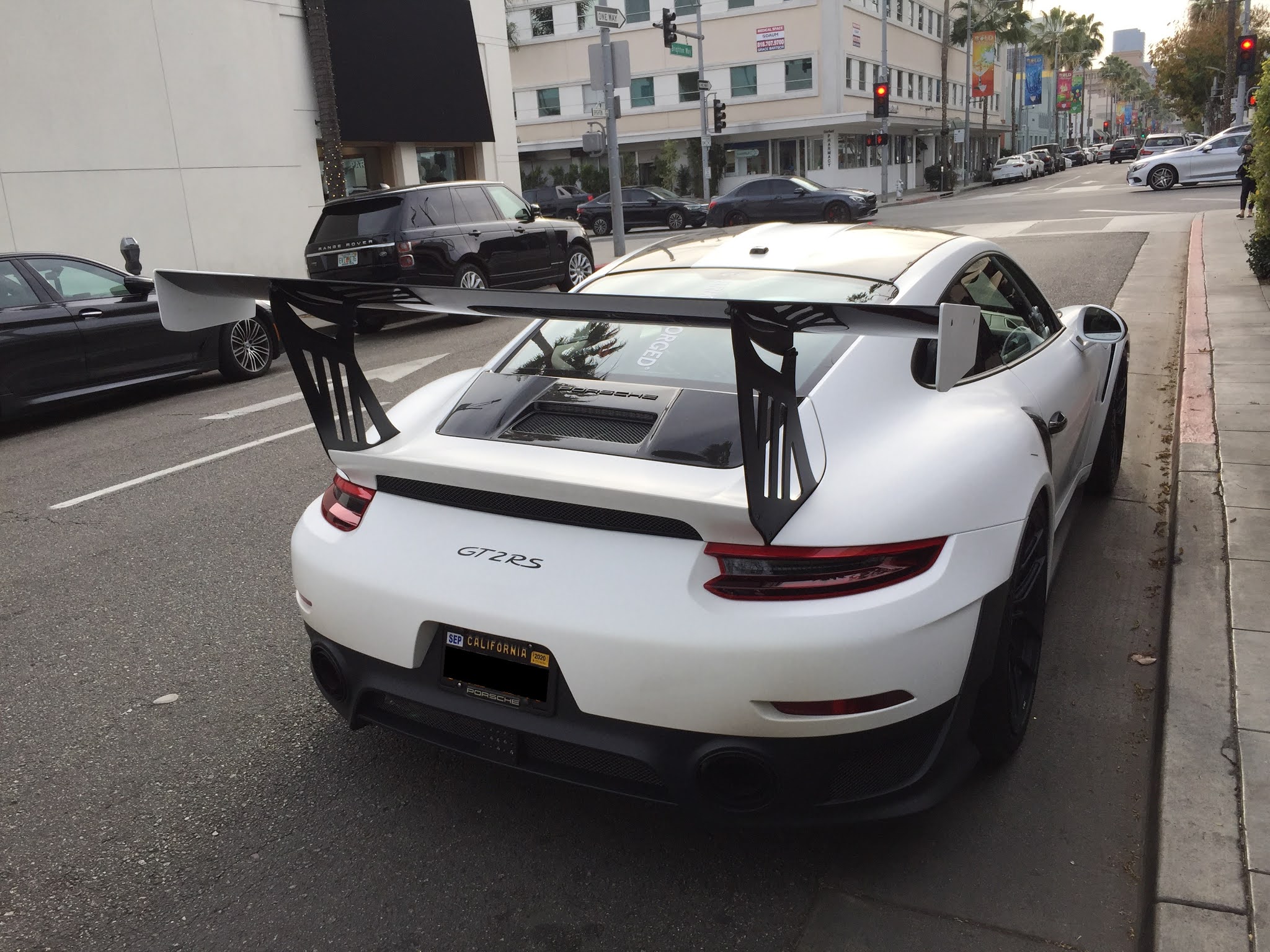
Porsche 911 GT2 RS (991)
Clemson-themed Bentley Continental GTC
Lamborghini Huracan Spyder
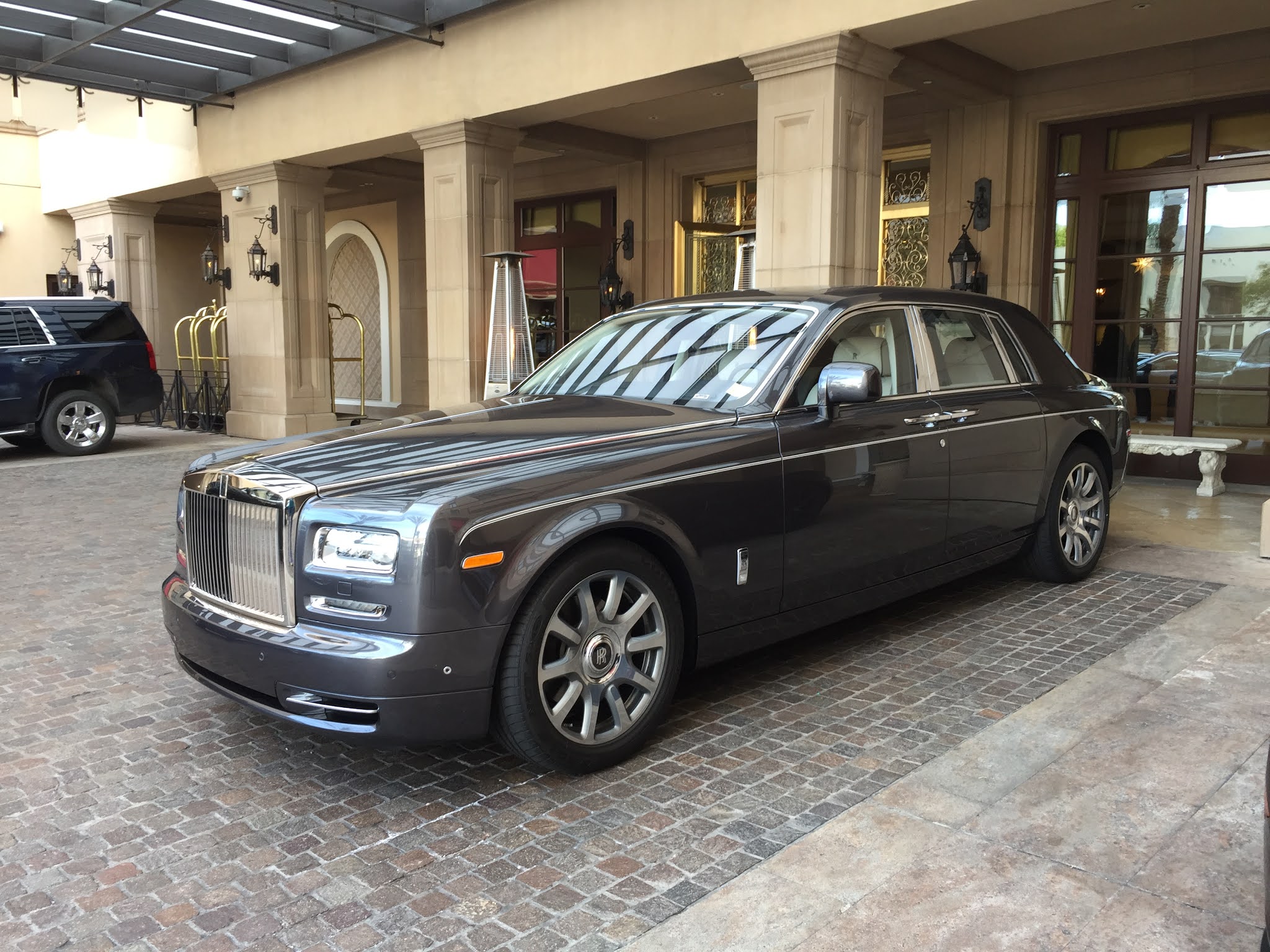
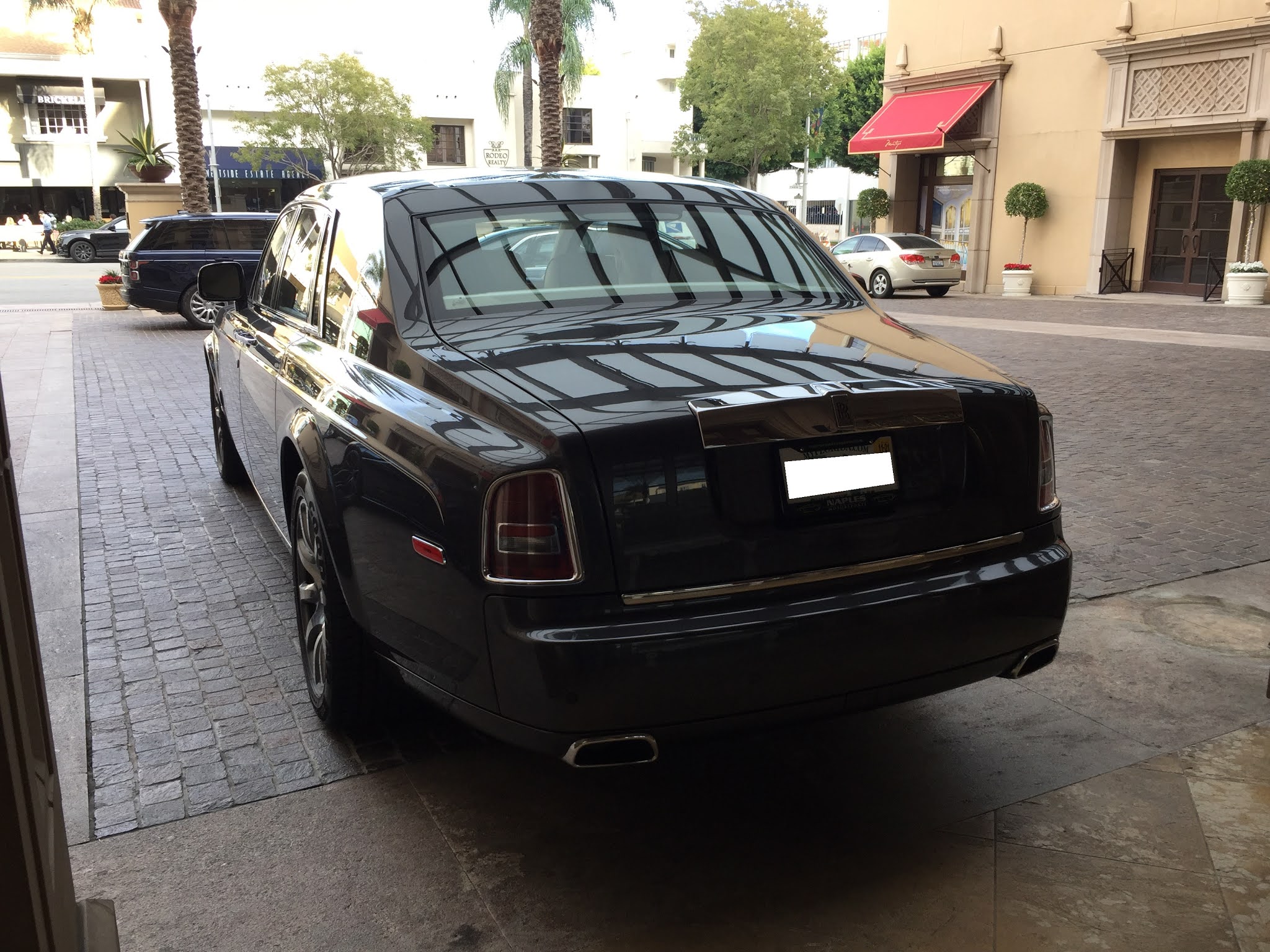
Rolls-Royce Phantom VIII
Rolls-Royce Phantom Drophead Coupe
Aston Martin DB11 Volante
Mercedes-Benz G550 4x4 Squared
The Silver Cloud was the primary Rolls-Royce model from the mid 50s to the mid 60s. Early Silver Cloud models featured a 4.9-liter six-cylinder with 155 horsepower, launching from 0 to 60 mph in 13.5 seconds and onto a top speed of 103 mph. The later Silver Cloud models feature a 6.2-liter V8 producing up to 220 horsepower, launch from 0 to 60 mph in 10.9 seconds, and are capable of a top speed of up to 114 mph. Both engines are paired to a 4-speed automatic sourced from GM. The example above is configured in right-hand drive unlike most examples that were imported to and sold in the U.S. The Silver Cloud was also one of only a handful of vehicles during its era to offer air conditioning and power steering as options. As you would expect, the fit and finish of the Silver Cloud's interior is impeccable, consisting of leather bench seats, wood paneling, metal switches, analog gauges, and foldout tables behind the front seats. Ash trays are more prevalent in the cabin as smoking was considered cool when this vehicle was in production. Despite its not-so-great long-term reliability, the Silver Cloud runs pretty quietly and smoothly. No more than a few thousand of each version of of the Silver Cloud were made until it was replaced by the Silver Shadow for the 1966 model year.
Overall, the Rolls-Royce Silver Cloud is a stunning and incredible classic ultra-luxury sedan. In addition, it was one of the coolest cars on display when I was at the only car show I attended this year.
On a side note, with the addition of this post, Carson's Car Pics has reached a significant milestone: 500 posts all-time. Thank you for following me on this journey, and we aren't slowing down anytime soon. Here's to the next 500 and more posts on this site.
Porsche's flagship SUV entered its third generation last year and, for the first time ever, added a coupe version for this year. Each body style is offered in six trims: base, S, E-Hybrid, GTS, Turbo, and Turbo S E-Hybrid.
The base Cayenne and Cayenne S feature a 2.9-liter twin-turbo V6 producing 335 horsepower and 332 lb-ft of torque in the base model, and 434 horsepower and 405 lb-ft of torque in the S model. The launch from 0 to 60 mph occurs in 5.9 seconds for the base Cayenne, 5.7 seconds for the base Cayenne coupe, 4.9 seconds for the Cayenne S, and 4.7 seconds for the Cayenne S coupe. Top speeds for the base Cayenne and Cayenne S vary between 150 mph and 164 mph. The Cayenne E-Hybrid is powered by a 3.0-liter twin-turbo V6 paired to an electric motor producing a combined 455 horsepower and 516 lb-ft of torque, launching from 0 to 60 mph in 4.7-4.8 seconds and capable of a 157 mph top speed. The Cayenne GTS and Turbo feature a 4.0-liter twin-turbo V8 producing 460 horsepower and 457 lb-ft of torque in the GTS, and 541 horsepower and 567 lb-ft of torque in the Turbo. 0-60 mph times are 4.5-4.2 seconds for the GTS and 3.5 seconds for the Turbo. The Cayenne GTS' top speed is 167 mph, while that of the Cayenne Turbo is 177 mph. The top-of-the-line Turbo S E-Hybrid has the same twin-turbo V8 as the GTS and Turbo models except paired to an electric motor. This specific hybrid setup is good for a combined 670 horsepower and 663 lb-ft of torque, propelling the vehicle to 60 mph in 3.2 seconds and a top speed of 183 mph. Every Cayenne model is mated to an eight-speed automatic and all-wheel drive. The battery in the E-Hybrid and Turbo S E-Hybrid models has been upgraded from 14.1 kWh to a 17.9 kWh capacity for 2021.
The major difference between the standard Cayenne and the Cayenne coupe are their rooflines. The Cayenne coupe has a sleeker roofline, resulting in less cargo space, an altered curb weight, and increased aerodynamics compared to the regular Cayenne. Both Cayenne body styles offer plenty of cabin space along with a 12.3-inch center touchscreen and Porsche Connect Plus containing a WiFi hotspot and Apple CarPlay compatibility. Unlike some of its competitors, the Porsche Cayenne doesn't offer third-row seating. Most Cayenne models include adaptive dampers, four-wheel steering, and active anti-roll bars for solid performance and handling. On top of that, the Cayenne has an endless amount of options that can be added on and fully customized to the owner's preferences. Pricing for the new Porsche Cayenne starts at $68,850 for the base model and up to $166,200 for the Turbo S E-Hybrid coupe, which excludes options, taxes, and dealer fees. In general, the Porsche Cayenne is a great, well-performing SUV not only on the street and track, but off-road as well. It is also super stylish, and the higher-end Cayenne models are capable of outrunning some traditional supercars. If you are in the market for a luxury SUV, the Porsche Cayenne should be towards the top of your shopping list.
The Shelby GT500 is the top-of-the-line, fastest, and most powerful Mustang. The newest GT500 is also the most powerful Ford vehicle in history. The current GT500 has been around for roughly a year, with the example above being the only one I've spotted in the wild thus far. It is powered by a 5.2-liter supercharged V8 producing 760 horsepower and 625 lb-ft of torque paired to a 7-speed dual-clutch. It launches from 0 to 60 mph in 3.3 seconds and is capable of a top speed of nearly 200 mph and an 11-second quarter mile time. Distinguishing the Shelby GT500 from the other Mustang models are a more aggressive front end, Cobra badging instead of the standard Mustang badging, additional hood vents for increased aerodynamics, a bigger rear wing, more aggressive side skirts, and a rear seat delete, along with other options. Pricing for the new Ford Shelby GT500 Mustang starts at approximately $74k, with options and dealer markup pushing the flagship 'Stang past $100k. In regards to the Mustang lineup for 2021, the Shelby GT350/R will be on its way out, while the Mach 1 will be making its return and the electric Mach E crossover will be going on sale for the first time. Overall, the 2020 Shelby GT500 Mustang improves on the greatness of the GT350 and is one of the coolest Mustangs ever made and one of my favorite Mustangs of all time. It is a beast on the track and in a straight line, and it makes its presence known everywhere it goes. In terms of muscle cars, I prefer the Shelby GT500 over the Dodge Challenger Hellcat, but I see it as neck and neck with the Chevy Camaro ZL1/1LE.
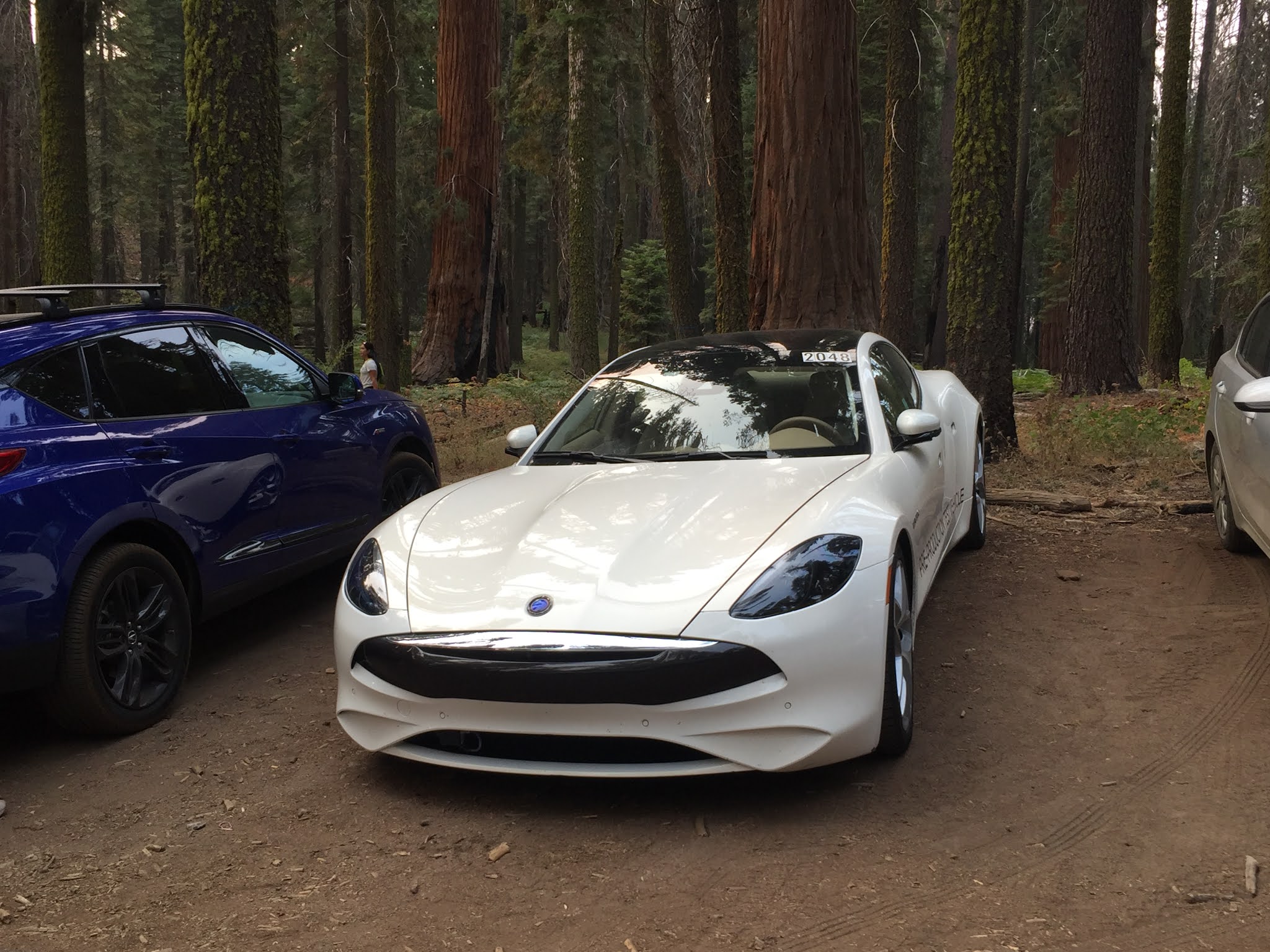
The Karma Revero is a rebranded, restyled, and updated Fisker Karma. The example above is the current GT model that received a facelift for the 2020 model year. Why is Karma now a standalone brand? Henrik Fisker introduced the Fisker Karma back in 2011, but roughly five years later, his company declared bankruptcy and sold its assets to a Chinese company known as Wanxiang Group, who rebranded Fisker as Karma Automotive. Powering the Revero GT is a 1.5-liter turbocharged three-cylinder sourced from BMW and paired to two electric motors. This setup produces 536 horsepower and goes from 0 to 60 mph in around 4 seconds. Top speed is electronically limited to 125 mph. It has an estimated electric range of 61 miles but can travel up to 80 miles before the battery runs flat. Like many electric vehicles, the Karma Revero GT's only transmission option is a 1-speed automatic. It seats two up front and two in the rear with its center console extending the length of the cabin. The Revero GT carries a base price of $146,600, with fully loaded examples coming in at over $160,000. It doesn't offer as many cool features or perform as well as the Tesla Model S, but the Karma Revero GT stands out to me because it is more rare and looks more polarizing than the Model S. I have spotted my fair share of Fisker Karmas in the past, but I hadn't seen a new Karma Revero up close until my most recent visit to Kings Canyon and Sequoia National Parks two months ago. I also found it unexpected since I usually don't see rare and unusual vehicles in mountainous areas with rough terrain. What made that moment even more special was that the sides of the Karma Revero above stated "PRE-PRODUCTION TEST VEHICLE". You may not notice the designation right away, but you will once you zoom into the second photo; not something you or I would see on the road everyday.
In addition, speaking of unexpected vehicles in the mountains, parked a few vehicles down from the Karma Revero GT that day were a Mercedes-AMG C63 coupe and a new Toyota Supra next to each other, which was pretty crazy. I did get photos of those two vehicles, but they will be reserved for potential posts in the future.
In the meantime, here is an example of the Fisker Karma, the Karma Revero's predecessor, that I spotted two weeks after my trip to Kings Canyon and Sequoia two months ago.